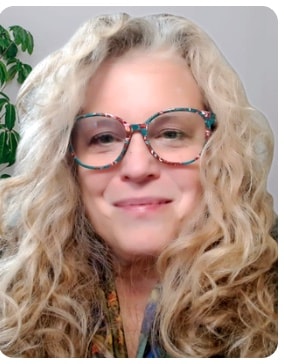
Anna DeLong, LCSW
Compassionate, Neuroscience-Informed Psychotherapy for Adults
I believe every person carries an innate capacity for healing, strength, and growth. Yet, habitual patterns of thought and chronic stress can disconnect us from our own inner wisdom. My role is to offer a grounded, supportive partnership—a safe, respectful space where you can reconnect with your healthiest self.
My approach combines decades of clinical experience with mindfulness and neuroscience, alongside specialized training in Evidence-Based and Trauma-Informed Therapy Modalities. I help clients understand how the brain and nervous system adapt—and how we can intentionally direct that process toward lasting regulation and wellness.
Therapy with me is entirely collaborative. We start with what matters most to you, developing goals that honor your unique lived experience, readiness, and pace. Whether you are navigating anxiety, working through trauma, adjusting to life changes, or seeking to feel more grounded, we move forward together—one step at a time.
You don't need to have everything figured out before beginning. We start right where you are.
Areas of Focus
Specialized Support for Complex Challenges
Evidence-Based & Cognitive Approaches
Evidence-based cognitive and behavioral modalities, such as CBT, CPT, and ACT, examine the connections between thoughts, feelings, and behaviors. These structured frameworks build practical skills to modify unhelpful thinking patterns, process distressing events, and foster psychological flexibility aligned with your core values.
For example, Cognitive Processing Therapy (CPT) is a structured, evidence-based approach specifically designed to treat PTSD. By identifying and shifting unhelpful stuck points related to safety, trust, control, and self-blame, CPT helps reframe how past trauma impacts your present life.
Trauma-Informed & Neurobiological Therapies
For clients who prefer body-centered or mind-body techniques over traditional cognitive approaches, these modalities offer effective pathways for healing. We collaboratively select tools from EMDR, Neuropsychotherapy, and Somatic Experiencing that align with your unique needs and comfort level.
During our initial assessment and treatment planning, we review these options together to ensure your plan matches your pace and priorities. Together, we utilize somatically and neurobiologically grounded tools to help you safely reprocess painful experiences, regulate your body's stress response, and restore a grounded sense of safety and equilibrium.
Interpersonal Mindfulness, Relational Practices and Contemplative Care
There is a powerful difference between responding with intention—aligned with your values and goals—and reacting automatically out of habit or distress. Developing intentional responses requires self-awareness, practice, and a supportive therapeutic environment.
Incorporating aspects of Interpersonal Mindfulness, Insight Dialogue, and Unconditional Presence creates a safe space for relational healing. These practices cultivate deep self-awareness, enhance emotional regulation, and help you engage more fully in your daily life and relationships.
My Approach
Therapy That Meets You Where You Are
Therapy is not a one-size-fits-all process. My approach is integrative, responsive, and tailored to your specific goals, nervous system needs, and personal preferences.
Together, we build a warm, collaborative space that is deeply respectful of your pace.
Free Resources
Guided Practices & Helpful Info
Explore a curated collection of guided audio practices, videos, and informational resources — organized by Guided Practices and Info — to support your healing between sessions.
Browse Free Resources →